
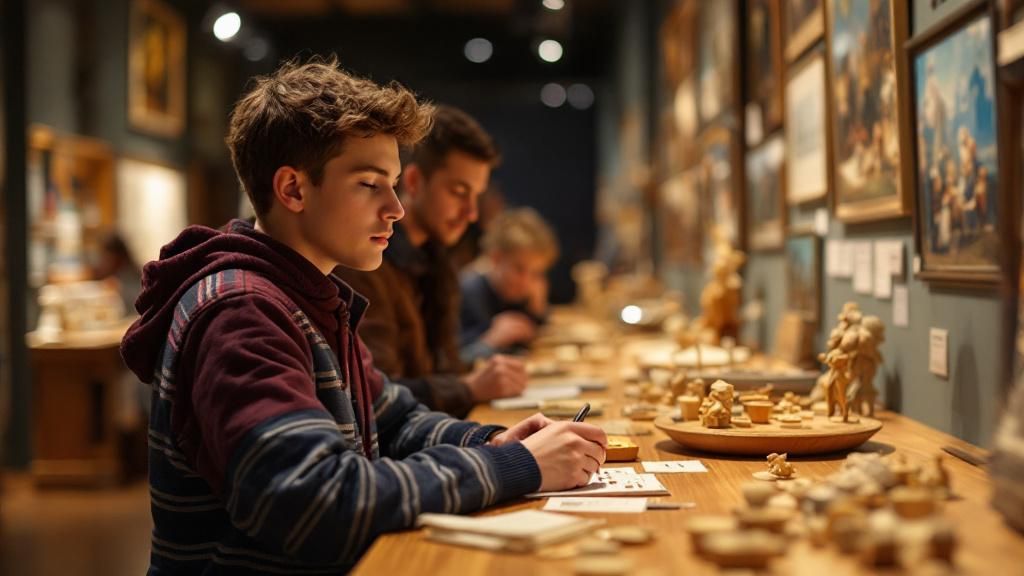
Britain’s premier museums are reimagining how they reach younger audiences, moving beyond conventional exhibitions to deliver immersive and interactive experiences. From augmented reality experiences to young people-led curatorial projects, these groundbreaking initiatives are transforming heritage collections into dynamic platforms for discovery and learning. This article examines how prominent institutions throughout Britain are reconceiving audience engagement, making historic artefacts connect with digitally-native audiences whilst fostering a genuine appreciation for the nation’s cultural heritage amongst younger people.
Digital Innovation and Interactive Experiences
Britain’s prominent museums are utilising cutting-edge digital technologies to captivate younger visitors and transform how cultural collections are encountered. AR applications allow visitors to visualise artefacts in their authentic settings, whilst virtual reality installations carry users through past eras. Interactive touchscreens and mobile applications facilitate unguided discovery, promoting intellectual curiosity and involvement. These digital innovations broaden access to exhibitions, allowing off-site audiences to access exhibitions from home, significantly broadening the museums’ scope beyond geographical constraints and traditional visiting patterns.
Museums are increasingly working together with technology companies and digital specialists to develop custom solutions tailored specifically for younger demographics. Gamification elements, including progress badges and engaging tasks, motivate sustained engagement with collections. Social platform connectivity encourages visitors to post their findings, amplifying institutional reach naturally. These innovations acknowledge that today’s younger audiences expect interactive, personalised experiences rather than passive observation. By integrating digital skills within cultural learning, museums position themselves as progressive organisations that respect their audiences’ technological fluency whilst maintaining rigorous curatorial standards and educational integrity.
Educational Partnerships and School Programmes
British museums have growing appreciation for the significance of building strong partnerships with schools and colleges to incorporate historical knowledge within school curricula. Through collaborative initiatives, museums are engaging closely with educators to design customised programmes that meet national curriculum requirements whilst improving student learning. These collaborations give students to engage with authentic artefacts and specialist-delivered workshops, changing abstract historical concepts into practical knowledge that resonate far more effectively than traditional textbook approaches alone.
Many institutions have created dedicated school liaison teams that craft tailored programmes and curated visits catering to specific age groups and learning abilities. These programmes often feature interactive tasks, engaging storytelling, and exclusive access to collections, allowing students to enhance critical thinking skills whilst engaging with their cultural heritage. Museums have discovered that such immersive experiences substantially boost student engagement and build deeper connections with past events, ultimately nurturing a more knowledgeable and culturally conscious body of future citizens.
The effectiveness of these learning collaborations is evident in growing levels of school engagement and favourable responses from both teaching staff and learners. Many museums now offer subsidised or free visits for coordinated educational groups, removing financial barriers to access and creating equal chances across all socioeconomic backgrounds. By supporting student learning, museums are establishing their value for future generations whilst fulfilling their core mission as keepers of the UK’s significant cultural legacy.
Community Involvement and Cultural Inclusion
British museums are increasingly prioritising inclusive practices to ensure heritage collections resonate with broad youth populations. By removing financial barriers through free or discounted admission programmes, institutions are democratising cultural experiences. Additionally, museums are producing multi-language content, sensory-adapted experiences, and neurodivergent-inclusive spaces, recognising that involvement transcends standard audience members. These carefully considered changes respect different educational needs and inclusive requirements, fostering accepting settings where youth from diverse communities feel authentically recognised and visible in cultural settings.
Community partnerships have become instrumental in extending museum reach beyond traditional boundaries. Collaborations with schools, youth centres, and local organisations facilitate bespoke activities addressing specific audience interests and demographics. Museums are actively recruiting young people as community advocates and peer leaders, strengthening real voices within heritage narratives. These community-led initiatives foster genuine ownership and investment, reshaping museums from inactive storehouses into lively community centres. By embedding themselves within local contexts, British institutions are building sustainable relationships with younger audiences, ensuring cultural engagement becomes an integral part of community life rather than infrequent attendance.
Upcoming Priorities and Long-term Viability
As museums keep refining their participation methods, the ongoing success of these innovative programmes remains paramount. Institutions are continually exploring diverse funding sources, including partnerships with tech firms and cultural trusts, to guarantee sustained operation. Digital initiatives require sustained commitment in technological systems and professional development, yet the proven effect on youth demographics justifies these investments. Museums are also establishing evaluation frameworks to evaluate programme effectiveness, allowing them to adjust methods and direct investment effectively. This dedication to evidence-based decision-making sets British museums as pioneers of contemporary heritage engagement.
Looking ahead, the sector expects further integration of new technological advances such as artificial intelligence and virtual reality, delivering even more tailored educational experiences. Partnership frameworks between organisations will facilitate the sharing of knowledge and pooling of resources, broadening reach across regions. Museums recognise that connecting with younger visitors today develops tomorrow’s advocates, donors, and heritage champions. By preserving adaptability and adopting new approaches whilst honouring curatorial integrity, British museums are securing their relevance for generations to come, guaranteeing that cultural collections remain vibrant, accessible, and deeply meaningful to all visitors.
